

Air Cargo in Covid 19 Context
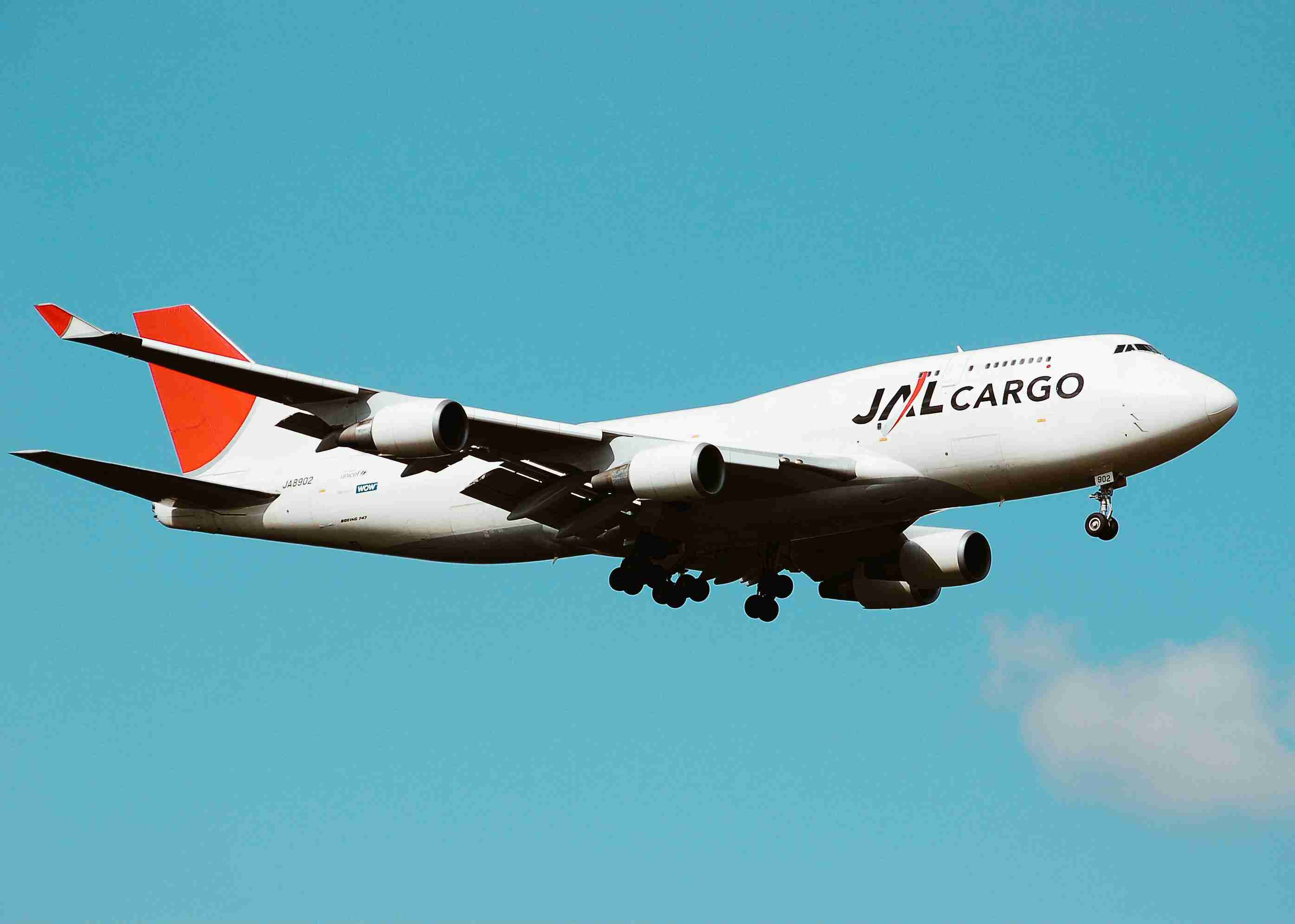
The COVID-19 pandemic represented one of the most significant disruptions in the history of global logistics. While ocean freight remains the backbone of international trade for Köln Shipping Line, the role of air cargo during this period became a critical lifeline, reshaping how the industry views speed, capacity, and supply chain resilience.
A Shift in Global Capacity
At the height of the pandemic, the air cargo industry faced an unprecedented challenge: the "grounding" of passenger fleets. Traditionally, a significant portion of global air freight is carried in the "belly cargo" holds of passenger planes. When international travel halted, this capacity vanished overnight.
To meet the urgent demand for Personal Protective Equipment (PPE), vaccines, and essential medical supplies, the industry had to pivot:
Preighters: Many airlines converted passenger aircraft into temporary cargo planes (removing seats to accommodate freight) to fill the capacity gap.
Priority Routing: Air cargo became the primary choice for time-sensitive goods, despite soaring freight rates, as port congestions delayed traditional ocean routes.
The African Perspective: Connectivity and Challenges
For trade between Africa and the rest of the world, the "Covid 19 Context" highlighted both vulnerabilities and strengths in regional logistics.
Cold Chain Logistics: The distribution of vaccines required sophisticated temperature-controlled environments. This accelerated investments in "Cold Chain" infrastructure at major African hubs, ensuring that life-saving cargo could be transported without compromising integrity.
Digital Transformation: The need for social distancing and remote operations pushed the industry toward digital documentation. Electronic Air Waybills (e-AWB) and digital customs clearances became the standard, reducing physical touchpoints and increasing speed.
Lessons for a Post-Pandemic World
The crisis underscored a fundamental truth in logistics: diversification is key. At Köln Shipping Line, we observed that clients who maintained a flexible approach—utilizing a mix of ocean and air freight—were better equipped to handle the volatility of the global market.
Today, the "Covid 19 Context" serves as a blueprint for modern risk management. It has taught us to build more agile supply chains that can withstand global shocks, ensuring that whether by sea or by air, your cargo continues to move efficiently toward its destination.